


5 Killer Quora Answers On Timber Fascias
Understanding Timber Fascias: Design, Benefits, and Maintenance
Timber fascias play a vital role in the architectural visual appeals and structural integrity of a structure. These horizontal boards installed at the edge of roofing system eaves not just boost the visual appeal of a structure but also serve useful purposes important for its longevity. This article dives into the significance of timber fascias, the material alternatives available, and important maintenance practices to guarantee they stand the test of time.
What is a Timber Fascia?
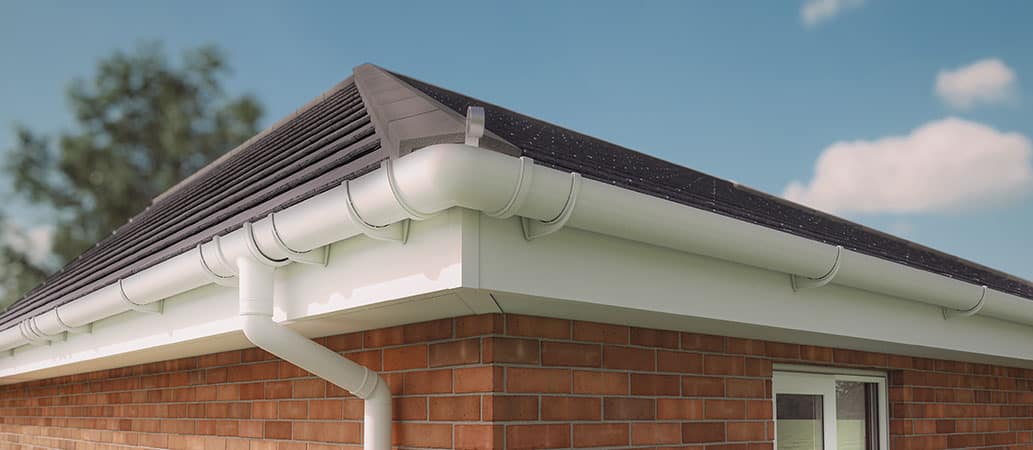
A timber fascia is a long, straight board that runs along the roofing’s edge, usually beneath the overhanging edge of the roofing system. It prevails in both residential and industrial structures and is often painted or stained to match the overall architectural style. By covering the ends of rafters and supplying an ended up seek to the roofline, timber fascias improve curb appeal while providing significant functional advantages.
Key Functions of Timber Fascias:
-
Protection of Roof Structures: Timber fascias avoid moisture from entering the roof system, safeguarding rafters and underlayment from decay and rot.
-
Visual Appeal: The fascia board provides an ornamental finish to the structure, connecting the overall style theme.
-
Support for Gutters: Fascias offer an anchor point for gutter systems, ensuring the safe and effective drain of rainwater.
-
Vermin Deterrent: By covering the rafter ends, fascias help to keep animals from nesting in cavities that could form in the roofing system’s structure.
Material Options for Timber Fascias
When picking materials for timber fascias, numerous options are offered, each with special advantages. Below is a breakdown of the most typical materials used:
| Material | Benefits | Disadvantages |
|---|---|---|
| Softwood | Cost-efficient, lightweight | Prone to warping and decay if untreated |
| Hardwood | Durable, thick, and aesthetically pleasing | More pricey, much heavier to deal with |
| Engineered Wood | Resistant to moisture and pests | Limited natural appearance compared to solid wood |
| Composite | Resilient and low maintenance | Can appear less authentic in design |
Benefits of Timber Fascias
Timber fascias supply numerous benefits that add to both functionality and aesthetics. Here are a few of the primary advantages:
-
Aesthetic Versatility: Timber fascias can be stained, painted, or left natural to match a structure’s style.
-
Sustainability: The use of properly sourced timber can add to sustainable building practices.
-
Ease of Installation: Timber fascias are relatively simple to install, making them a popular option amongst contractors and contractors.
-
Customization: Timber can be easily formed and cut to fit distinct architectural styles.
-
Insulation Properties: Timber has natural insulation residential or commercial properties, helping enhance the energy effectiveness of a home.
Maintenance of Timber Fascias
While timber fascias are appealing and practical, they do need regular maintenance to ensure durability. Below are necessary maintenance tips to keep them in prime condition:
-
Regular Inspection:
- Check for indications of decay, rot, or damage at least twice a year, especially after extreme weather condition.
-
Cleaning:
- Clean the fascias with a soft brush or fabric to get rid of dirt, gunk, and mildew. Prevent utilizing extreme chemicals that can harm the finish.
-
Protective Coating:
- Reapply protective finishings, such as paint or spots, every couple of years to preserve look and secure wood from wetness.
-
Seal Cracks:
- Fill any cracks or gaps to avoid wetness ingress, which can result in wood wear and tear.
-
Look for Pests:
- Look for indications of pests, such as woodpecker holes or insect routes. Immediately address any concerns to avoid structural damage.
FAQs About Timber Fascias
Q1: What wood species are frequently used for timber fascias?A1: Commonly used wood
types consist of pine, cedar, and redwood due to their toughness and attractive look. Q2: How often do I need to keep my timber fascias?A2: Regular inspections should be done at least biannually, with cleansing and protective finish checks carried out every 1-3 years depending upon the wood type and finish. Q3: Can I install timber fascias myself?A3: While skilled DIY lovers may have the ability to set up timber fascias, it is advised to work with a professional for optimal outcomes, particularly concerning fitting and sealing. Q4: What finishes are best for timber fascias?A4: Weather-resistant paints and stains that allow the wood to breathe are recommended to protect versus moisture and UV damage.Q5: Are timber fascias environmentally friendly?A5: When sourced from sustainably managed forests, timber fascias can be an environment-friendly building option. Timber fascias are not just aesthetic additions to your home’s architecture
; they are vital elements that safeguard vital roof structures and enhance total charm. Understanding the product choices, benefits, and maintenance requirements will guide house owners and
builders in making notified choices. By investing time and care into timber fascias, one can guarantee their continued performance and visual appeal for several years to come.